Baidu, Xiaomi chiefs warn AI spending outpaces returns
Nov 18, 2026
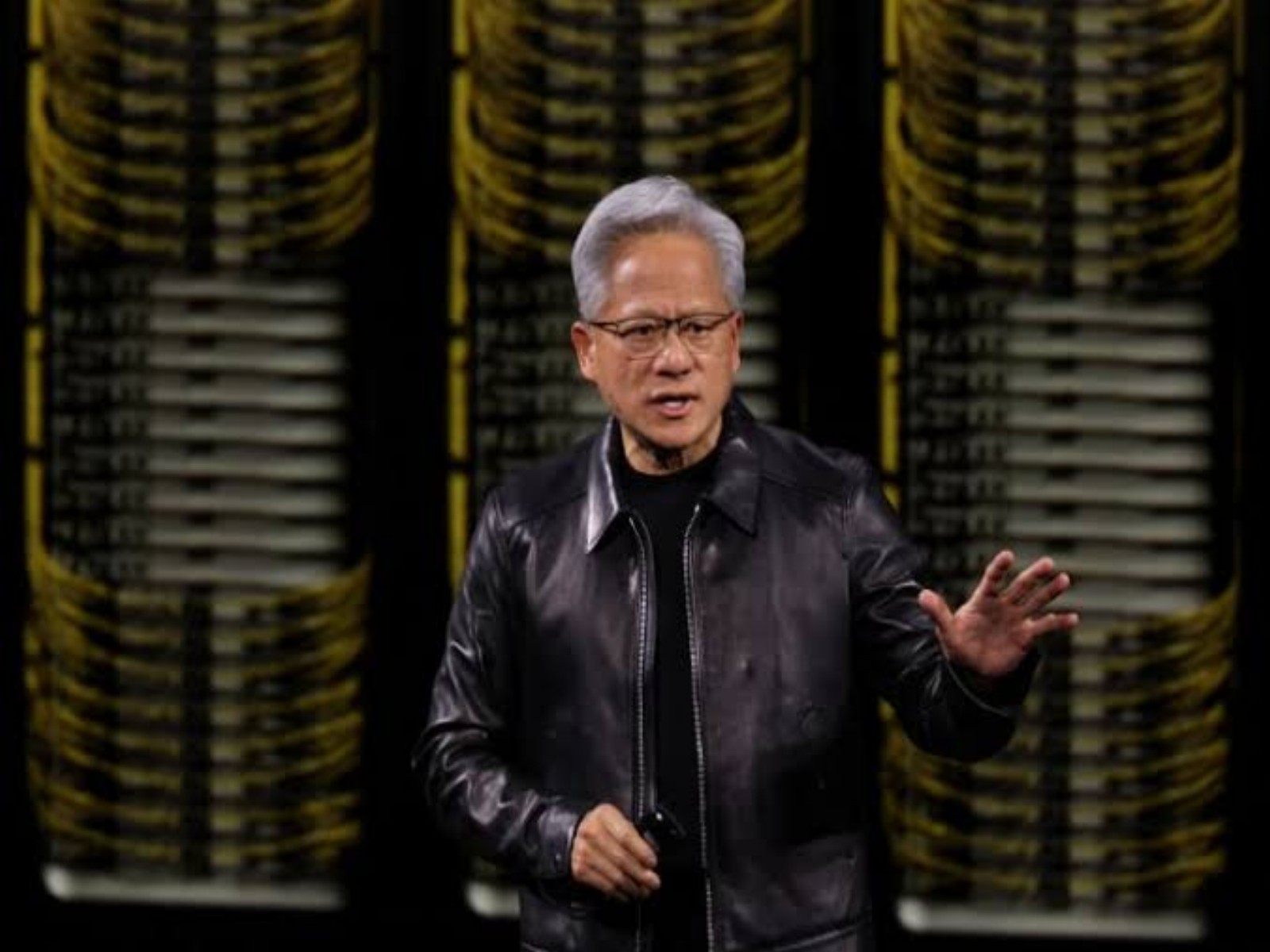
New York [US], November 18: Amid mounting concerns of an artificial intelligence bubble and fresh market jitters following the resignation of Nvidia CEO Jensen Huang, the leaders of two of China's biggest tech giants have urged the industry to focus on building practical applications, warning that massive investments in the technology are outpacing commercial returns.
Speaking at the Asia-Pacific Economic Cooperation (Apec) CEO Summit in Shenzhen on Tuesday, Baidu founder and CEO Robin Li Yanhong and Xiaomi founder and CEO Lei Jun both flagged a widening gap between heavy capital expenditure and profitable AI adoption.
"The most pressing task is to identify and develop the right, high-value applications for AI models," Li said during a panel on regional AI development, a day after Baidu reported its sixth straight quarterly revenue drop. Amid mounting concerns of an artificial intelligence bubble and fresh market jitters following the resignation of Nvidia CEO Jensen Huang, the leaders of two of China's biggest tech giants have urged the industry to focus on building practical applications, warning that massive investments in the technology are outpacing commercial returns.
Speaking at the Asia-Pacific Economic Cooperation (Apec) CEO Summit in Shenzhen on Tuesday, Baidu founder and CEO Robin Li Yanhong and Xiaomi founder and CEO Lei Jun both flagged a widening gap between heavy capital expenditure and profitable AI adoption.
"The most pressing task is to identify and develop the right, high-value applications for AI models," Li said during a panel on regional AI development, a day after Baidu reported its sixth straight quarterly revenue drop. Li likewise argued that AI's greatest economic value lay in the application layer rather than in foundation models themselves, saying industry-wide adoption was still "falling short of expectations".
He questioned whether the fierce US-China race to build more advanced AI models justified the massive costs involved.
Comparing the situation to the Industrial Revolution, Li said electricity did not deliver widespread economic benefits immediately after it was harnessed, only decades later when factories were completely reorganised around the technology.
"The same applies to AI today: while large language models possess immense power, the question is still whether small and medium-sized enterprises can truly benefit from them," he said.
"Beyond simply adopting the technology, you need an organisational structure that aligns with AI's capabilities to derive real value." Li's remarks came after Baidu reported a 46 per cent drop in adjusted net profit for the September quarter to 1.4 billion yuan (US$210 million), as AI-related gains failed to offset sliding advertising revenue.
Source: Qatar Tribune