The Kicks Machine Ecosystem: How One Website Is Dressing Gen Z from Head (Sunglasses) to Toe (Sneakers)
Mar 02, 2026
PNN
Dehradun (Uttarakhand) [India], March 2: Walk into a cafe near a college campus or a co-working space in any Indian city, and a subtle shift becomes noticeable. Young consumers are dressing with intention. Sneakers are worn, not preserved. Sunglasses are part of looks rather than protection. Details such as socks, watches, bags, and small accessories feel carefully considered. For India's Gen Z, fashion is no longer about accumulating labels. It is about constructing identity in ways that feel authentic, modular, and adaptable to daily life.
This generation approaches style differently from those before it. Millennials often built wardrobes around brand loyalty, investing repeatedly in trusted names. Gen Z, by contrast, curates around mood and aesthetic. A single outfit today might combine limited-edition sneakers, niche streetwear, collectible accessories, and eyewear sourced from different corners of the internet. The coherence lies not in the logo, but in the story the pieces collectively tell. As a Bengaluru-based fashion retail analyst explains, "Gen Z doesn't shop in silos. They don't think in product categories. They think in looks. Retail that mirrors this psychology tends to win."
From Category Shopping to Identity Curation
This behavioural shift has quietly reduced the dominance of standalone brand websites and increased the relevance of curated, multi-category marketplaces. Instead of focusing on selling one vertical exceptionally well, newer retail models aim to enable a complete aesthetic within a single digital environment. The logic is simple: if consumers assemble outfits holistically, shopping platforms must reflect that fluidity.
Industry data reinforces the scale of change. India's sneaker market, valued at nearly USD 3.9 billion in FY24 by industry estimates, has moved from subculture to mainstream. Sneakers are no longer confined to gym wear or special occasions; they are everyday anchors. At the same time, rising demand has amplified concerns around authenticity and counterfeits, particularly in resale-influenced categories. A Mumbai-based e-commerce analyst notes, "Trust is everything in sneakers. Authentication and transparent sourcing are not optional. They are foundational."
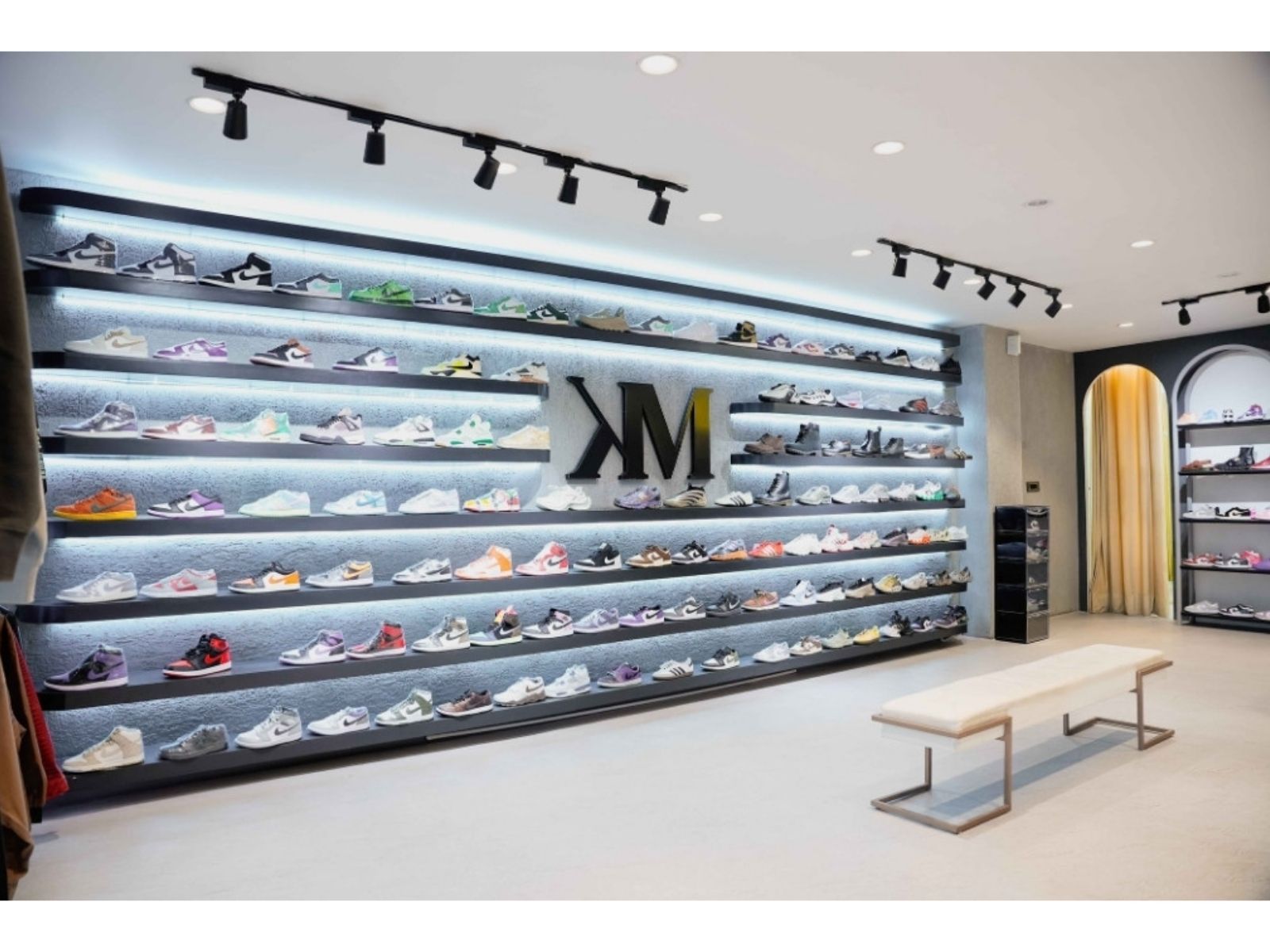
It is within this context that platforms such as Kicks Machine have evolved. What began as a sneaker-focused venture gradually expanded into adjacent categories, including streetwear, sunglasses, handbags, watches, beauty products, collectibles, and care accessories. According to the founders, this was less a calculated diversification and more a response to customer behaviour. "We followed our community," says Aman Kandwal Co-founder Kicks Machine. "If someone buys sneakers, they are already thinking about the rest of the outfit. We wanted to support that full expression."
When Luxury Became Wearable
Luxury in India was once geographically and psychologically distant, largely confined to premium malls and flagship stores in metro cities. It carried an element of ceremony and separation. Over the past few years, that distance has narrowed considerably. Today's younger buyers prefer premium products that feel wearable rather than intimidating, refined rather than theatrical. Luxury is increasingly integrated into routine life rather than reserved for special moments.
Platforms that balance hype-driven products with daily essentials have benefited from this recalibration. Instead of positioning luxury as inaccessible, they frame it as adaptable and repeatable. Apoorv Kandwal describes this progression as organic rather than deliberate. "We didn't start by deciding to sell across categories. We watched what our customers were already searching for. Sneakers were the entry point, and the rest of the wardrobe followed."
The Power of Detail and Maintenance
One of the more understated shifts in Gen Z dressing is the prominence of micro-decisions. Socks introduce contrast. Watches and small collectibles subtly signal individuality. The modern basket is rarely limited to one hero product. It is layered.
This detail-oriented mindset extends into maintenance. Sneaker care products such as cleaning wipes, crease protectors, and restoration tools have become regular purchases rather than niche add-ons. Ownership increasingly includes upkeep. As products transition from occasional use to daily rotation, maintenance becomes part of perceived value. Retail strategist Rhea Malhotra observes, "Young buyers are not overhauling wardrobes every season. They are refining them. That refinement naturally creates demand across complementary categories."
Beyond Traditional Luxury Geographies
Another interesting dimension of this ecosystem evolution is geography. Luxury retail in India has historically been metro-centric, closely associated with Mumbai and Delhi. Yet digital commerce has flattened those boundaries. Kicks Machine operates from Dehradun, a Tier-2 city, and has grown from a two-person founding team into a 30-plus-member organisation. The company is reportedly targeting ₹100 crore in GMV by 2026 while remaining fully bootstrapped.
This decentralisation mirrors a broader shift in Indian entrepreneurship. Aspiration is no longer tied to pin codes. Digital infrastructure allows businesses outside traditional luxury hubs to participate in national and even global conversations. It also challenges longstanding assumptions about where premium commerce must originate.
Culture Before Commerce
Discovery for Gen Z rarely begins on a homepage. It begins on social media platforms, in community discussions, and through visual cues. Retail brands that understand drop culture, global streetwear signals, and online-first engagement are more likely to resonate. As Kandwal puts it, "Commerce follows culture. If you are not part of the conversation, you remain just inventory."
The larger implication is structural. Traditional e-commerce was organised around categories. Gen Z consumption is organised around aesthetics. Ecosystem marketplaces attempt to reduce friction in assembling a full look by allowing sneakers, apparel, accessories, and care tools to coexist within a single interface. This model reflects how outfits are built in real life, not how inventory is stored.
The Bigger Picture
Whether Kicks Machine ultimately becomes a defining platform in this shift remains to be seen. What is clear, however, is that the brands that succeed will not simply sell products, they will reduce friction in building a complete look. Companies that understand this coherence will shape the next chapter of youth fashion in India.
(ADVERTORIAL DISCLAIMER: The above press release has been provided by PNN. ANI will not be responsible in any way for the content of the same.)