SpaceX's failed double recovery of Starship resulted in the booster stage exploding and plunging into the sea
Nov 14, 2026
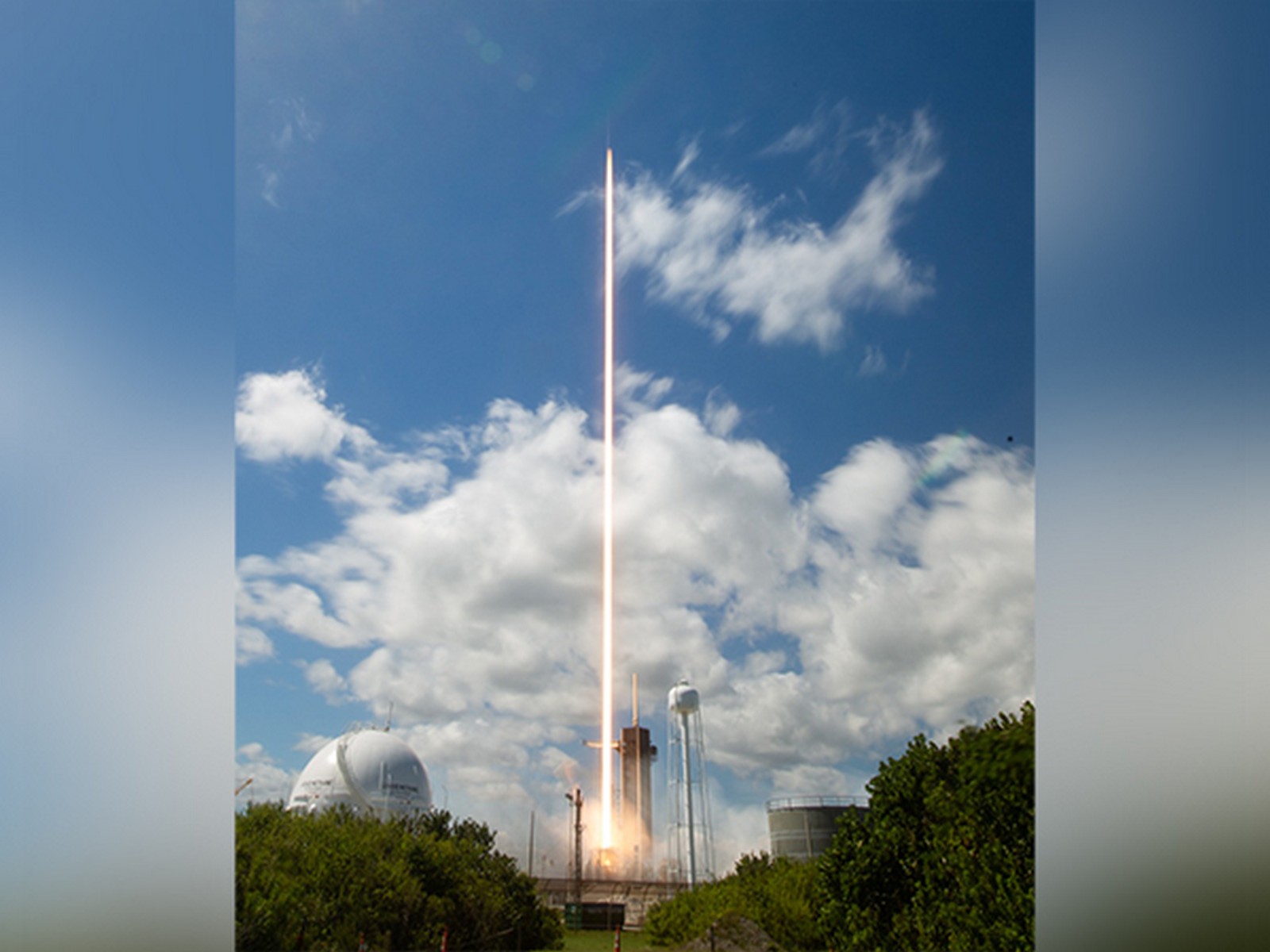
[US], November 14: SpaceX's Starship rocket successfully launched into orbit on a test flight on November 13, but plans to recover both stages simultaneously were hampered when the booster stage fell into the Gulf of Mexico while on fire.
The Starship rocket
However, shortly after separating from the spacecraft, the Super Heavy booster failed to return to the launch tower as planned and instead diverted towards the Gulf of Mexico. The booster then fell into the sea while on fire. SpaceX
"This is certainly not the news we were hoping for today," acknowledged Kate Tice, the SpaceX launch commentator. She stated that the diversion decision was in line with rigorous safety procedures aimed at protecting the launch pad.
The upper part of the Starship spacecraft continued its journey, entering Earth orbit and deploying 26 next-generation Starlink satellites
If successful, this would be the first time SpaceX has recovered a Starship directly from the launch tower after orbital flight. Previously, the company had successfully recovered the Super Heavy booster stage three times, but had never performed a similar operation with the upper stage of Starship.
According to The Guardian, the test flight used an upgraded version of the 72-meter-long Super Heavy missile and the 52-meter-long Starship. When combined, the system is approximately 124 meters tall, making it the largest and most powerful missile in the world.
Billionaire Elon Musk aims to fully reuse both rocket stages, thereby reducing costs and increasing launch frequency for missions to the moon
Starship also plays a crucial role in NASA
Source: Thanh Nien Newspaper