Flu Cases Rise in NCR: Dr. Abhijeet Singh on Symptoms, Treatment & Prevention
Aug 26, 2026
PNN
Greater Noida (Uttar Pradesh) [India], August 26: With influenza and H1N1 (swine flu) cases showing an increase in the Delhi-NCR region, doctors are advising people to remain alert to flu-like symptoms and seek timely medical attention, particularly those at higher risk of developing complications. Delhi has reported a significant rise in H1N1 cases this year, with health authorities stepping up surveillance and hospitals monitoring respiratory infections.
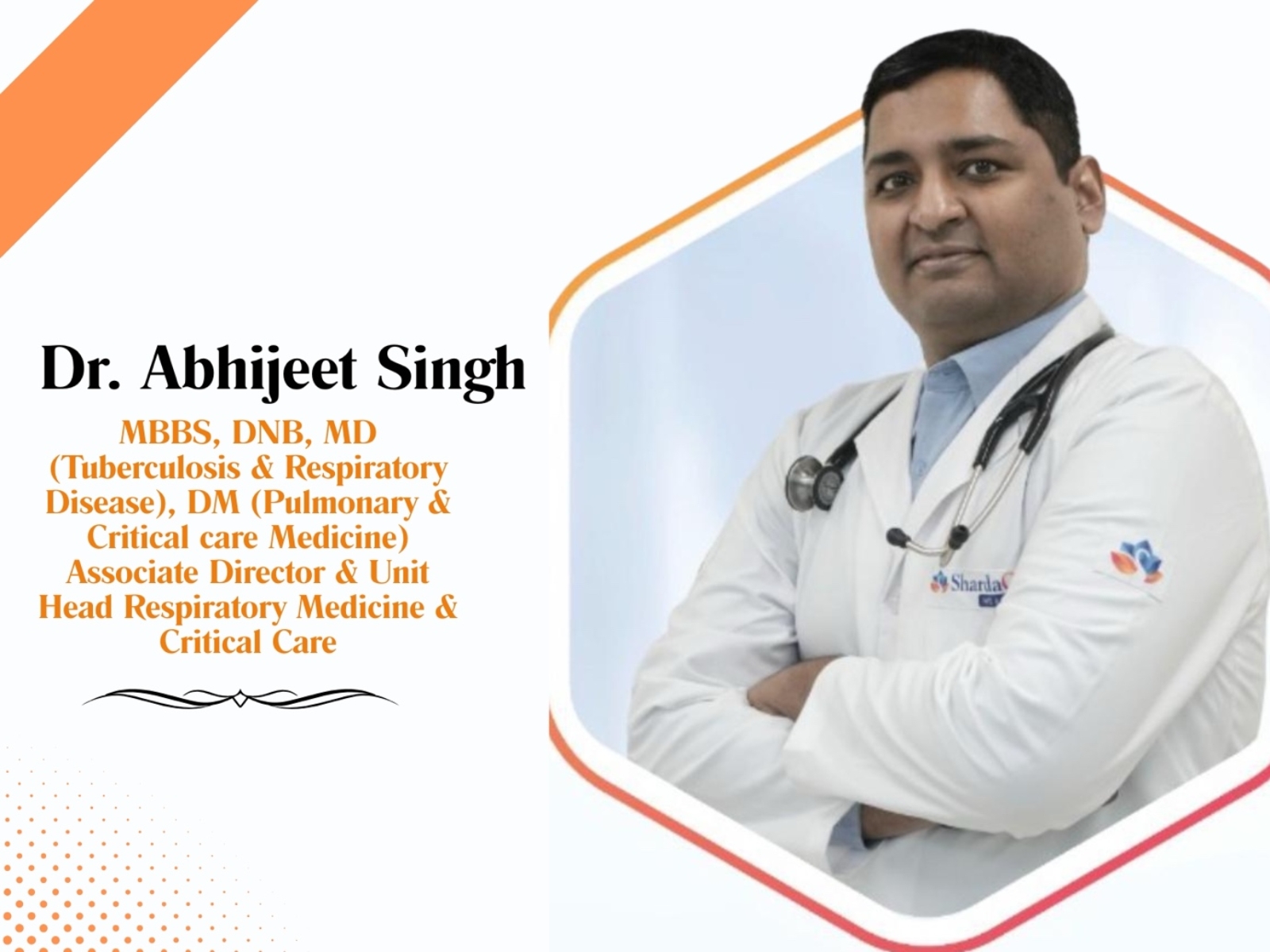
Dr. Abhijeet Singh, Pulmonologist at ShardaCare Healthcity, Greater Noida, said influenza should not be confused with an ordinary seasonal cold, particularly when symptoms are persistent or worsening.
"Influenza can present with sudden fever, cough, sore throat, headache, body ache, fatigue and chills. In some patients, particularly those with underlying respiratory or other chronic illnesses, the infection can progress to complications such as pneumonia. The important message is not to panic, but also not to ignore persistent or severe symptoms," said Dr. Singh.
Influenza is a contagious viral respiratory infection and can be caused by different influenza viruses, including Influenza A and Influenza B. H1N1, commonly referred to as swine flu, is one of the Influenza A subtypes. Current reports indicate that H1N1 is contributing significantly to the recent rise in influenza activity in Delhi. ICMR scientists have also clarified that there is no evidence of a new H1N1 strain driving the current increase.
According to Dr. Singh, common symptoms include fever, dry or persistent cough, sore throat, runny or blocked nose, headache, muscle and body aches, weakness and fatigue. Some patients may also experience chills or gastrointestinal symptoms.
"Diagnosis is primarily based on the patient's symptoms, clinical examination and the prevailing epidemiological situation. Laboratory testing may be advised in selected patients, especially when confirmation is clinically important or when the patient belongs to a high-risk group. Not every person with a mild flu-like illness requires extensive testing," he said.
Treatment depends on the severity of the illness and the patient's risk profile. Adequate rest, hydration and symptomatic treatment are commonly advised for uncomplicated cases. Antiviral medicines may be recommended by a doctor for patients at increased risk of complications or those with significant illness, and they are generally more beneficial when started early.
Dr. Singh cautioned against self-medication, particularly with antibiotics.
"Influenza is caused by a virus, so antibiotics do not routinely treat the infection. People should avoid taking antibiotics or antiviral medicines without medical advice. If there is breathing difficulty, persistent high fever, chest pain, confusion, severe weakness, low oxygen saturation or worsening symptoms, medical evaluation should not be delayed," he added.
Prevention remains an important part of controlling influenza transmission. People with respiratory symptoms should avoid close contact with others, especially vulnerable family members, maintain hand hygiene, cover coughs and sneezes, and improve ventilation in indoor spaces. Wearing a mask in crowded or poorly ventilated settings can also help reduce respiratory-virus transmission.
The role of adult influenza vaccination is also gaining importance. Indian expert recommendations support annual influenza vaccination for adults in appropriate age and risk groups, particularly older adults and people with conditions that increase the risk of complications. Pregnant women, immunocompromised individuals and healthcare workers are also among groups for whom vaccination may be considered based on medical advice.
"Adult vaccination should be viewed as an important preventive tool, particularly for people who are more vulnerable to severe influenza. The decision about vaccination should be individualised after discussing age, medical conditions, previous vaccination and local influenza activity with a healthcare professional," Dr. Singh said.
Doctors emphasise that increased influenza activity does not mean there is a need for panic. However, awareness, early recognition of warning signs, responsible treatment and appropriate vaccination can help reduce the risk of severe disease and transmission.
(ADVERTORIAL DISCLAIMER: The above press release has been provided by PNN. ANI will not be responsible in any way for the content of the same.)