Chinese EV makers look abroad as the home market falters
Mar 08, 2026
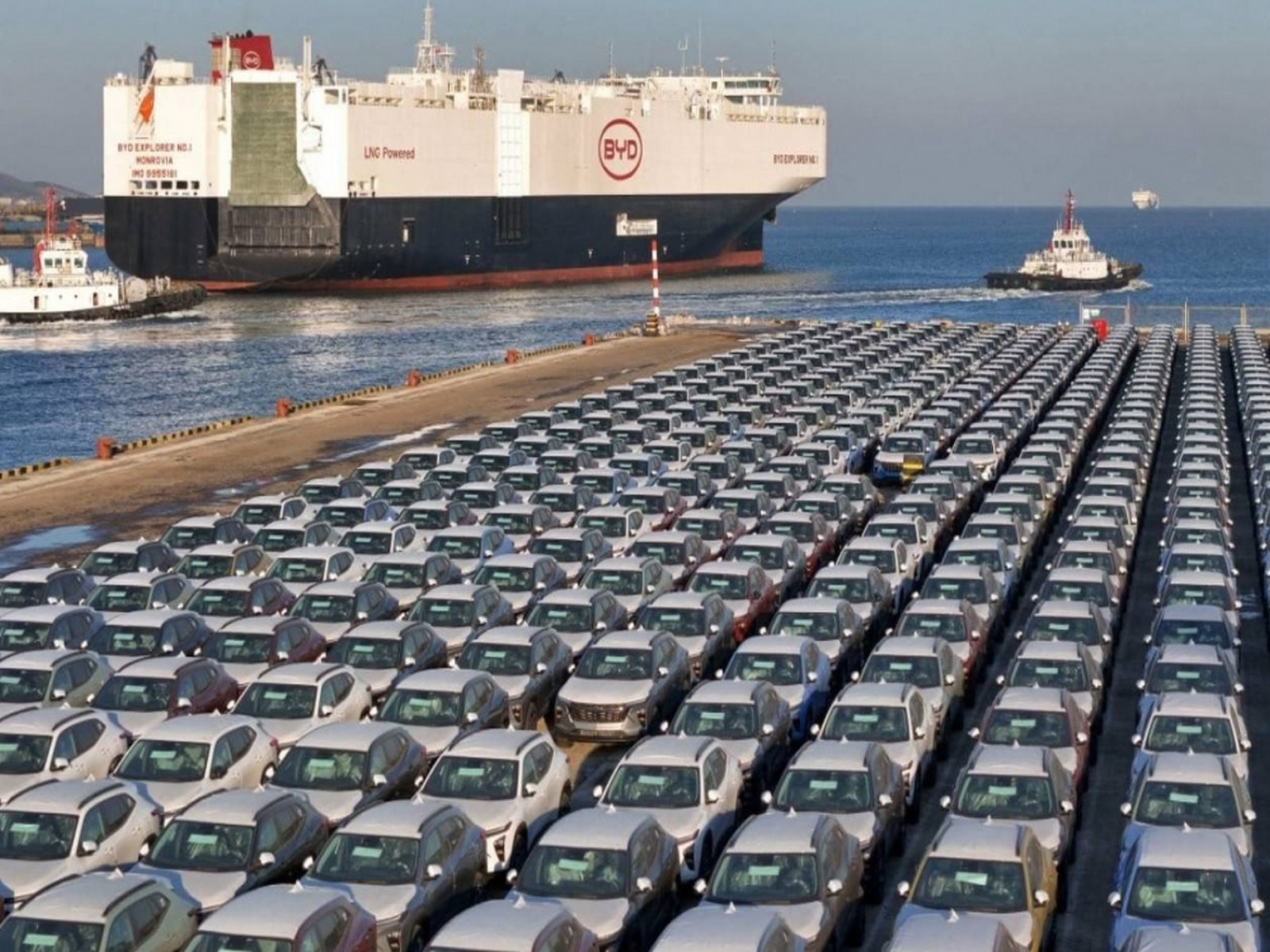
Beijing [China], March 8: BYD, the world's largest electric-vehicle (EV) maker, sold more cars overseas than at home for the first time in February, reflecting a broader trend among Chinese EV makers' global push as domestic sales soften amid fiercecompetition.
"Squeezed by the fierce competition at home, China's EV makers are shifting their focus to global markets," said David Zhang, general secretary of the Shanghai-based International Intelligent Vehicle Engineering Association.
However, overall sales fell 41 per cent year on year, weighed down by a 65 per cent drop in sales in mainland China despite a 50 per cent surge in exports. Great Wall Motor, another leading Chinese carmaker, saw overseas sales exceed domestic deliveries for the first time in February. Of the 72,594 vehicles sold last month, 42,679 - or 59 per cent - were delivered overseas.
Chery Automobile, China's largest car exporter whose overseas sales surpassed domestic sales last year, sold 116,725 units, 80 per cent of its monthly total, abroad last month.On Tuesday, Chery said it would launch its iCAUR V23 electric SUV in South Africa in May, as it pursues growth in new markets.
Geely Auto, China's second-largest carmaker, more than doubled its exports in February to 60,879, while overall sales increased 0.6 per cent. Geely sold 70 per cent of its cars domestically last month.
In January, Chinese carmakers' exports jumped 45 per cent from a year earlier, while domestic sales fell 15 per cent, according to the latest data from the China Association of Automobile Manufacturers (CAAM). Overall sales for the month stood at 2.35 million units, 71 per cent of which were sold at home and the rest exported, CAAM said.
"Rising car exports could slightly ease investors' concerns about the heavy pressure from domestic "involution" among EV makers," said Kenny Ng Lai-yin, a strategist at Everbright Securities International, referring to the cutthroat, low-quality price competition.
Amid a vicious price war for market share, most Chinese carmakers remain unprofitable, often selling vehicles below cost. Only a handful of the nearly 50 mainland-based EV makers - such as BYD and Stellantis-backed Leapmotor - have been able to turn a profit.
Beijing's campaign against involution, launched last year, picked up pace in February, with regulators issuing guidance and banning carmakers from selling cars below cost. China is also beset by sluggish consumption, with households holding back on spending amid a slowing economy. In December, China posted its weakest retail sales growth in three years at 0.9 per cent, according to official data. Spending on cars fell 5 per cent. In January, banks including UBS and Deutsche Bank forecast a decline of between 2 and 5 per cent in China's cars sales due to overcapacity and reduced government support.
Chinese carmakers have been increasing their sales overseas over the past few years through multiple routes, from building factories and setting up dealerships to partnering directly with local distributors, according to Tian Tian, deputy secretary general of the China Automobile Dealers Association.
BYD, which built its first overseas factory in Thailand in 2024, is constructing its first production base in Europe in Hungary. The new plant is expected to start production in the second quarter of this year.
Tian said she expected "exports will definitely continue to grow at a high pace" while domestic sales this year would grow in the single digits.
Tian attributed the recent softness in domestic sales to the seasonal lull around the Chinese New Year, compounded by policy changes on subsidies and tax rebates for consumers.
Potential buyers might be waiting to see how local authorities implement the measures, she added.
Meanwhile, China's second-hand car market saw over 20 million transactions for the first time. Last year, Chinese carmakers sold 34.4 million new vehicles, of which 7.1 million were sold overseas.
Source: Qatar Tribune