Campaigning kick off for Japan's snap general election
Jan 27, 2026
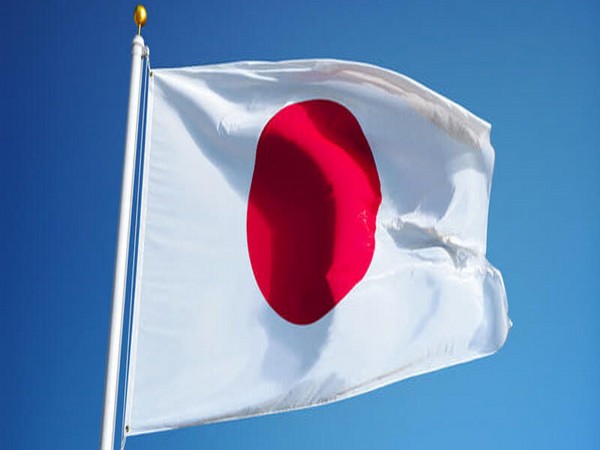
Tokyo [Japan], January 27: Campaigning for Japan's Feb. 8 snap general election officially kicked off across the country on Tuesday with all 465 seats in the House of Representatives up for contest.
The primary focus of the election is whether the ruling coalition of the Liberal Democratic Party (LDP) and the Japan Innovation Party (JIP) will secure a majority and allow the administration of Prime Minister Sanae Takaichi to continue, or whether the opposition will expand its strength and block that outcome.
Of the 465 lower house seats, 289 will be elected from single-member districts and 176 through proportional representation in 11 regional blocs. National broadcaster NHK said more than 1,200 candidates are expected to run.
The NHK predicts that parties will wage heated debates during the campaign over the Takaichi government's response to inflation, as well as foreign and security policies.
The LDP previously held 199 seats in the lower house, and its coalition ally, JIP, held 34. Takaichi, also president of the LDP, said during a party leaders' debate on Monday that she would step down immediately if the ruling bloc fails to secure a majority in the upcoming election.
The new opposition party Centrist Reform Alliance, formally launched earlier this month, has become Japan's main opposition party with 165 lower house lawmakers. The new alliance between the Constitutional Democratic Party of Japan and Komeito, a former ally of the LDP, aims to defeat the conservative ruling bloc in the upcoming contest.
On Jan. 23, Takaichi dissolved the House of Representatives for a snap election, marking the first dissolution at the start of a regular parliamentary session in 60 years.
The decision has drawn criticism for giving voters little time to assess competing policy proposals, with the campaign period lasting just 12 days -- the shortest in Japan's postwar history.
Opposition parties have also slammed Takaichi's plan, saying she is putting political considerations ahead of parliament's enactment of an initial budget for fiscal 2026 starting in April, despite her pledge to prioritize policy implementation.
Japan's House of Representatives is elected through a mixed electoral system that combines both single-member districts and proportional representation. Each voter casts two ballots, one to choose a candidate in a single-seat constituency and the other to select a party for proportional representation.
Source: Xinhua