AI in Hospitality: Opportunity, Optimisation and the Human Balance
Feb 27, 2026

SMPL
New Delhi [India], February 27: As India recently hosted a landmark AI Summit in New Delhi, bringing together leaders from technology, enterprise, governance, and industry, one sector watching the developments closely is hospitality.
For hotels and hospitality brands, artificial intelligence is no longer a futuristic concept -- it is steadily becoming an operational reality. From predictive pricing and guest personalisation to smart energy management and automated check-ins, AI is reshaping how hotels operate behind the scenes and how guests experience service on the front end.
Speaking on the evolving role of AI in hospitality, Anirban Sarkar, General Manager, Radisson Blu Greater Noida, shares, "Artificial Intelligence is a powerful enabler for operational excellence in hospitality. It allows us to forecast demand more accurately, optimise resources, and enhance guest convenience. However, true hospitality remains deeply human. Technology should support our teams -- not substitute the warmth, empathy, and personal attention that guests expect from a premium hotel experience."
Globally, hospitality brands are leveraging AI across three key verticals:
1. Revenue Management & Dynamic Pricing
AI-driven revenue management systems now analyse demand patterns, competitor pricing, local events, and booking behaviour in real time. This allows hotels to optimise pricing more accurately than traditional manual forecasting. For business hotels and MICE-focused properties, predictive analytics can anticipate occupancy surges based on trade shows, exhibitions, and corporate events -- particularly relevant for destinations like Greater Noida, which hosts large-scale industry gatherings.
2. Guest Personalisation
AI tools analyse guest preferences, booking history, dining habits, and feedback data to personalise room settings, F&B recommendations, and service communication. For repeat business travellers, this can translate into seamless, tailored experiences that enhance loyalty.
3. Operational Efficiency & Sustainability
Smart energy systems powered by AI can regulate lighting, air conditioning, and water usage based on occupancy patterns. This not only reduces operational costs but also supports sustainability commitments -- increasingly important for global travellers and corporate partners.
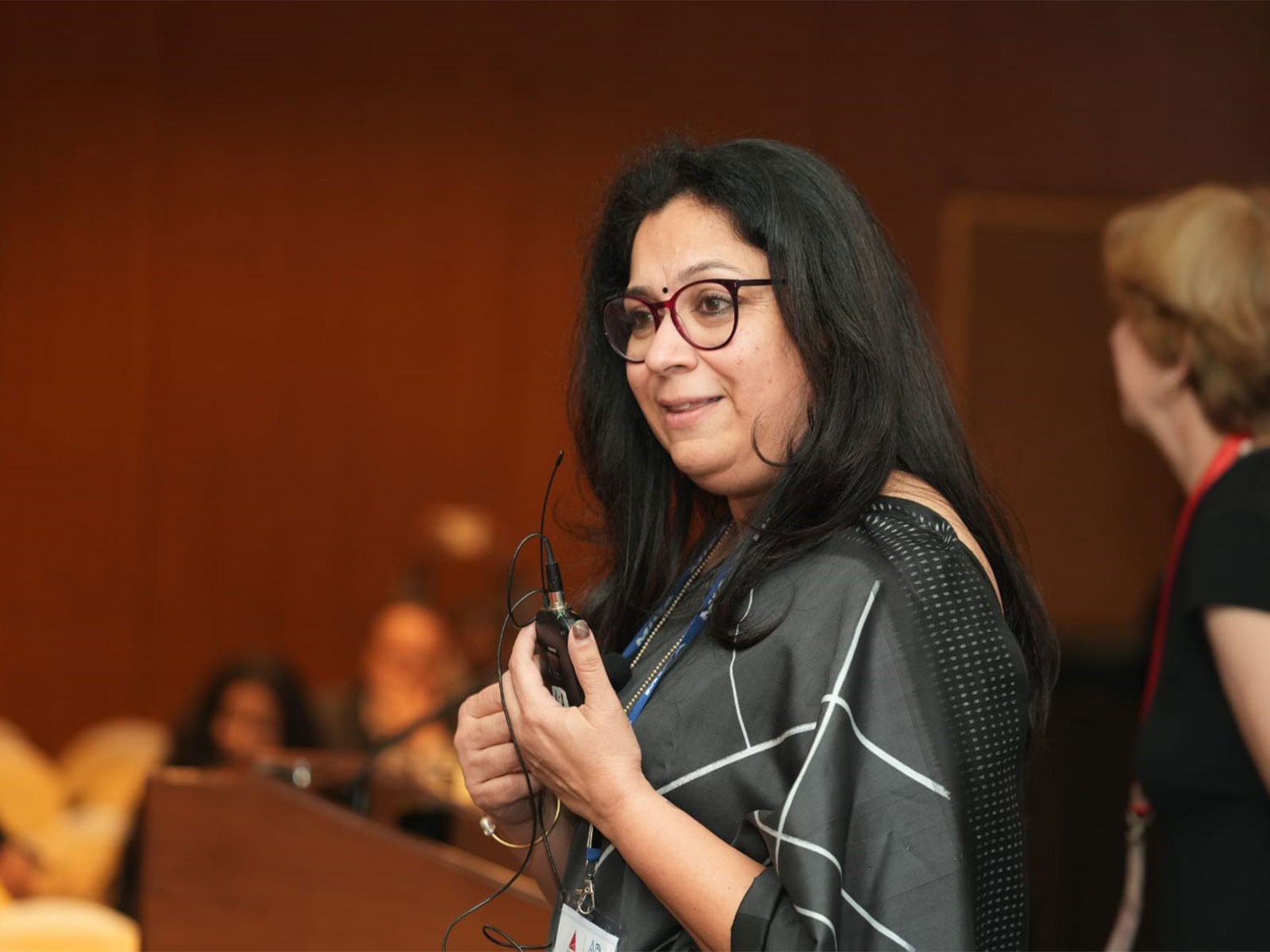
"The future of hospitality lies in intelligent integration -- where data-driven systems operate efficiently in the background, while our people continue to deliver memorable, personalised experiences at the forefront. AI enables hotels to shift from reactive operations to predictive management. In competitive hospitality markets, data-driven agility is becoming a strategic advantage", shares Babita Bhatt (EAM Sales - Victora Hospitalities) from Juna Mahal, Ranthambore.
The Pros: Where AI Adds Value
For hospitality leaders, the advantages of AI are tangible:
* Improved forecasting accuracy
* Reduced operational waste
* Faster response time
* Enhanced guest data insights
* Better decision-making through analytics
The Cons: The Human Element at Risk
However, hospitality is built on emotion, warmth, and personalised human interaction.
Over-automation poses certain risks:
* Reduced human connection at touchpoints
* Data privacy concerns
* Standardised experiences replacing authentic ones
* Over-dependence on technology during service disruptions
Sarkar further adds, "as India positions itself as a global AI innovation hub, the hospitality industry stands at an important intersection. AI is not a replacement for service -- it is an optimisation tool. The winning hospitality brands will be those that adopt technology thoughtfully, balancing efficiency with emotional intelligence. In a world increasingly driven by algorithms, it is the combination of smart systems and genuine human connection that will define the next chapter of hospitality excellence".
Guests may appreciate efficiency, but they still value empathy -- especially during problem resolution, special occasions, and personalised service recovery. The hospitality sector must ensure AI enhances service, rather than replaces the human spirit that defines it.
(ADVERTORIAL DISCLAIMER: The above press release has been provided by SMPL. ANI will not be responsible in any way for the content of the same.)